- Teen drivers cost more because, as a group, they have much higher crash rates than experienced drivers.
- Adding a teen to a parent's policy is usually cheaper than buying them a separate policy.
- The car they drive, good student and driver training discounts, and telematics programs can all lower the cost.
- Tell your insurer early. Rules on learner's permits vary, and an undisclosed driver can cause problems with a claim.
Why teen drivers cost so much
Insurers price drivers by the risk their group presents, and new drivers are, statistically, the riskiest group on the road. Crash rates are highest in the first years after licensing, when teens are still learning to judge speed, spot hazards and manage distractions. Insurers know this from their claims data, so adding a newly licensed teenager typically raises a household's premium significantly.
The encouraging part is that the cost tends to fall as the teen builds a clean record and gets older. The early years are the expensive part, and that is where planning helps most.
When to tell your insurer
Call your insurer as soon as your teen gets a learner's permit. Some companies cover permit holders under a parent's policy at no extra charge while they practice with a licensed adult; others want them listed. Requirements differ by company and state, so ask directly rather than assuming.
Once your teen is fully licensed, they will need to be added to the policy, usually as a listed driver. Leaving a licensed household member off the policy can create problems if they are involved in an accident, and in some cases it can be treated as a misrepresentation.
Same policy or separate policy?
In most cases, adding a teen to a parent's existing policy costs less than buying the teen a policy of their own. The teen benefits from multi-car and bundling discounts, the parents' longer history, and a single set of policy fees. A separate policy may be worth checking in specific situations, for example if the teen owns their own car or if a parent has a poor record, but compare both options before deciding.
One trade-off to remember: on a shared policy, an accident caused by your teen can affect the whole household's premium.
The car matters more than you think
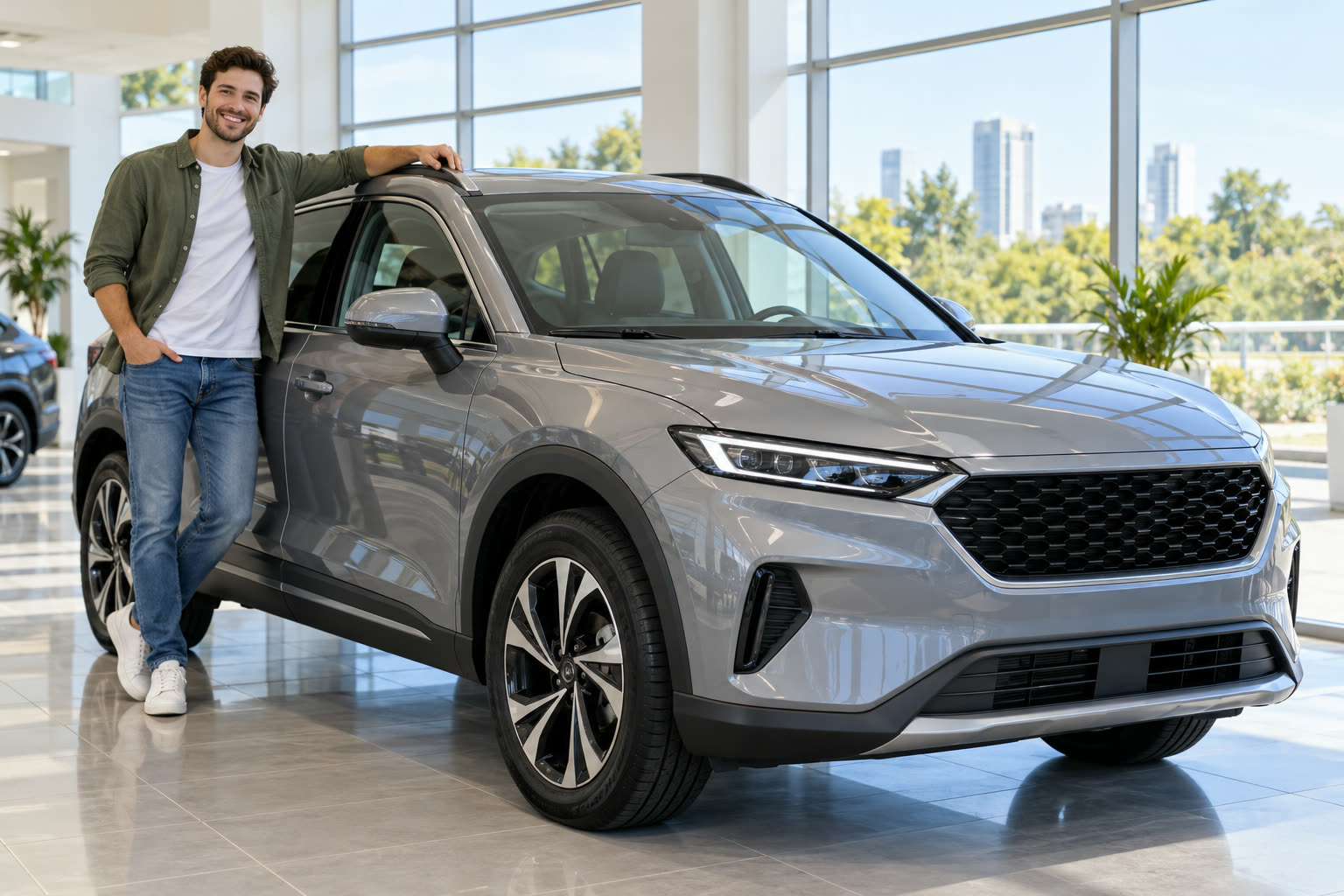
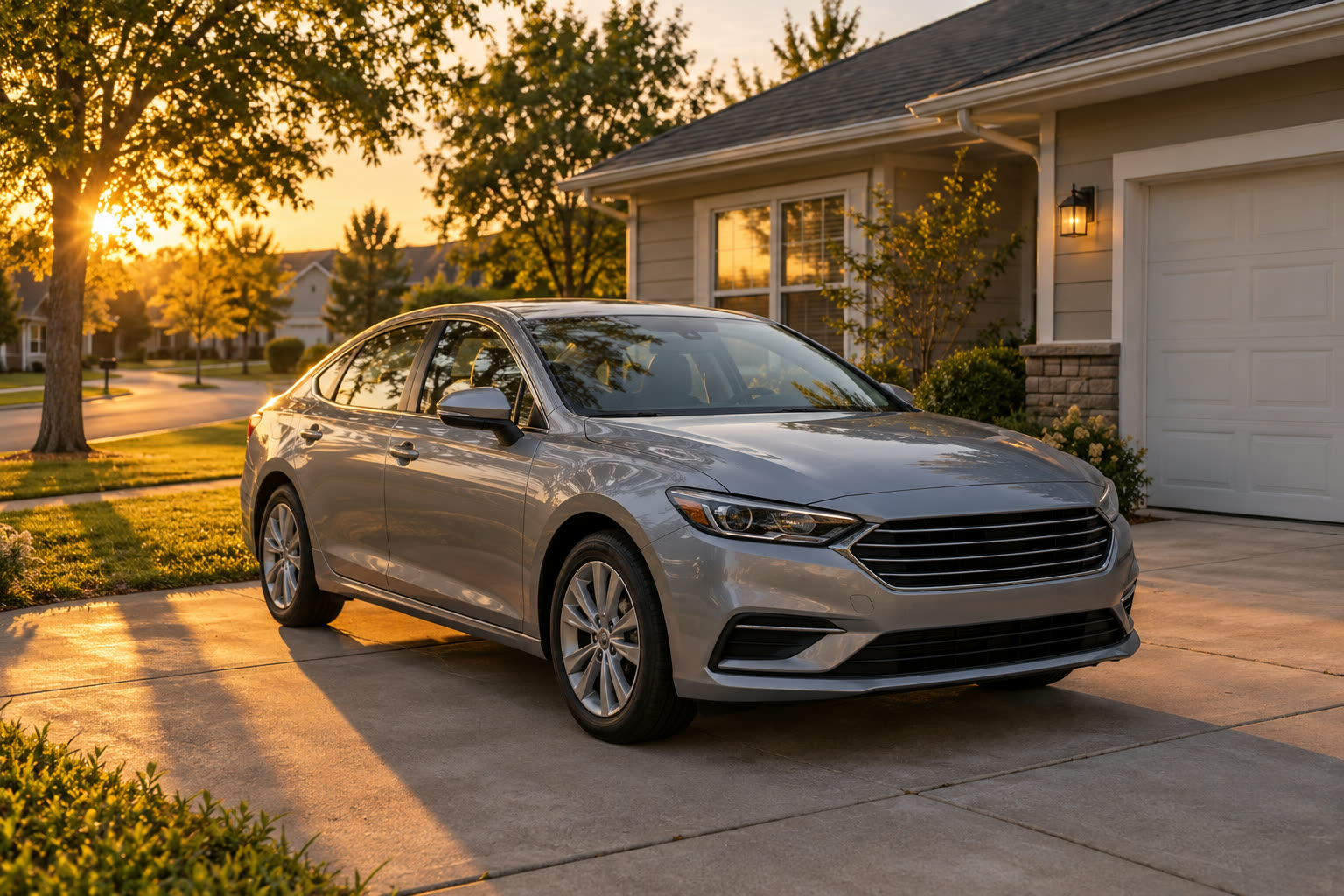
The vehicle your teen drives has a large effect on the price. In general, the most budget-friendly choices for new drivers are mid-size sedans or small SUVs with strong crash-test ratings and modest engines. High-horsepower cars and sports models usually cost much more to cover.
- If you have several cars, ask whether your insurer assigns drivers to specific vehicles. Pairing the teen with the least expensive car to cover may lower the total.
- For an older, low-value car, consider whether collision coverage is worth it. If the car is worth little, the premium for collision may not make sense.
- Safety features such as electronic stability control and automatic emergency braking are worth prioritizing for a new driver regardless of price.
Discounts built for young drivers
- Good student. Commonly offered for students who maintain a B average or similar. Keep report cards handy.
- Driver education. Completing an approved driver training course can lower the rate in many states.
- Distant student. If your teen goes to college far from home without a car, many insurers will reduce the cost of keeping them on the policy.
- Usage-based programs. Telematics apps reward smooth braking, safe speeds and no phone use. They can also give parents useful feedback, though it is worth discussing privacy with your teen.
Prepare them for a fender bender
Most new drivers have never had to deal with an accident, and the minutes after one are stressful. A short conversation before it happens helps them stay safe and protects your policy. Walk through the basics together:
- Check for injuries first and call 911 if anyone is hurt or the road is blocked.
- Move to a safe spot if the cars can be driven, and turn on hazard lights.
- Exchange names, phone numbers, insurance information and vehicle details with the other driver, and take photos of the scene and damage.
- Avoid arguing about fault or agreeing to settle privately on the spot.
- Call a parent, then report the accident to your insurer as your policy requires.
Keep a copy of the insurance card in the glove box and on the teen's phone so the information is always at hand.
Other ways to keep it manageable
- Raise deductibles on the car the teen drives if you can absorb the out-of-pocket cost.
- Keep liability limits healthy. This is not the place to cut. A serious accident involving a young driver can exceed low limits, and your household assets are at stake.
- Compare at the moment you add the teen. Companies weigh young drivers very differently, so the insurer that was best for two adults may not be best once a teen is added.
- Agree on house rules. Many families use a written parent-teen driving agreement covering passengers, night driving and phone use. Fewer incidents is the best long-term discount there is.
The bottom line
Adding a teen driver will raise your premium, but how much depends heavily on choices you control: the car, the discounts you claim, your deductibles and which company you choose. Talk to your insurer early, gather proof for every discount, and check your rate against other companies before the new driver hits the road.
This guide is general information, not insurance, legal or financial advice. Coverage rules, discounts and pricing vary by insurer and state, so confirm details with your insurer or your state insurance department. See our editorial standards and advertising disclosure.